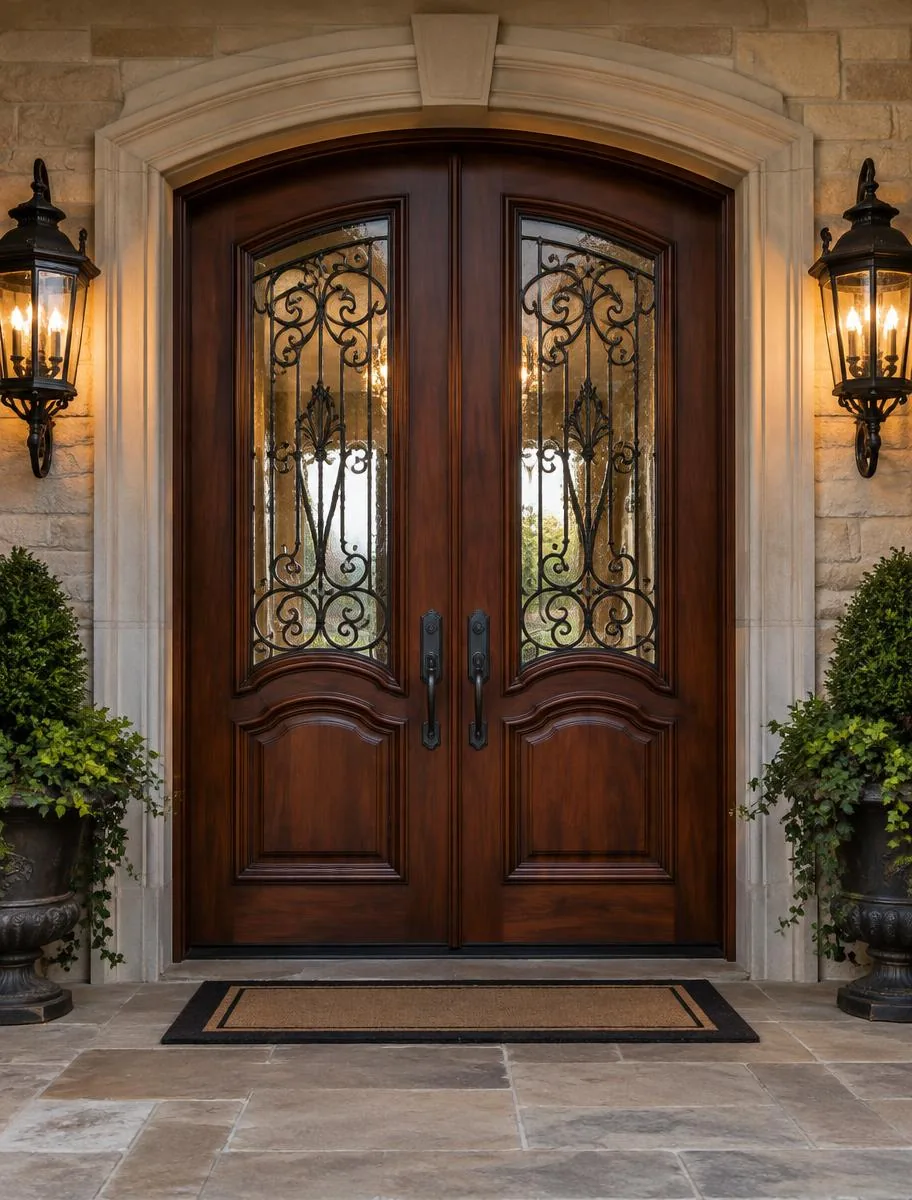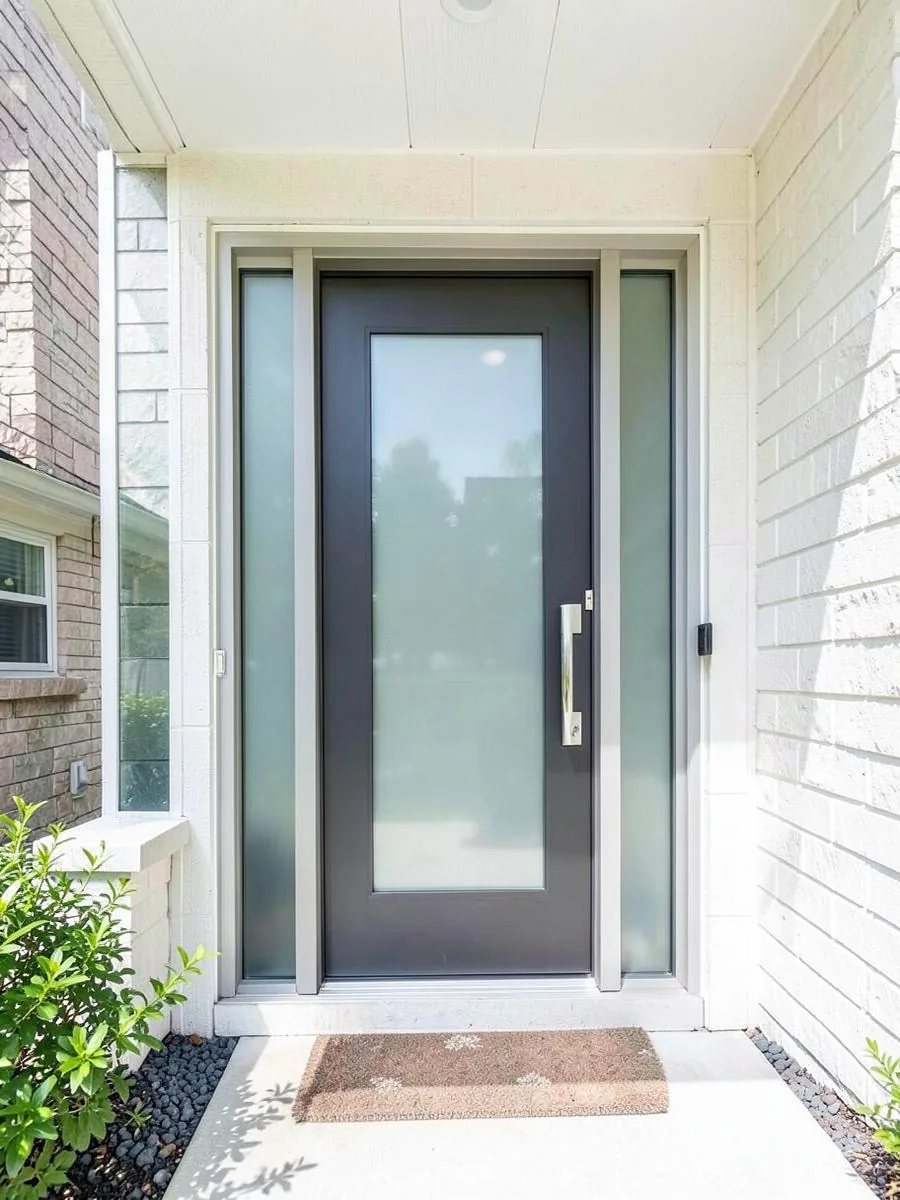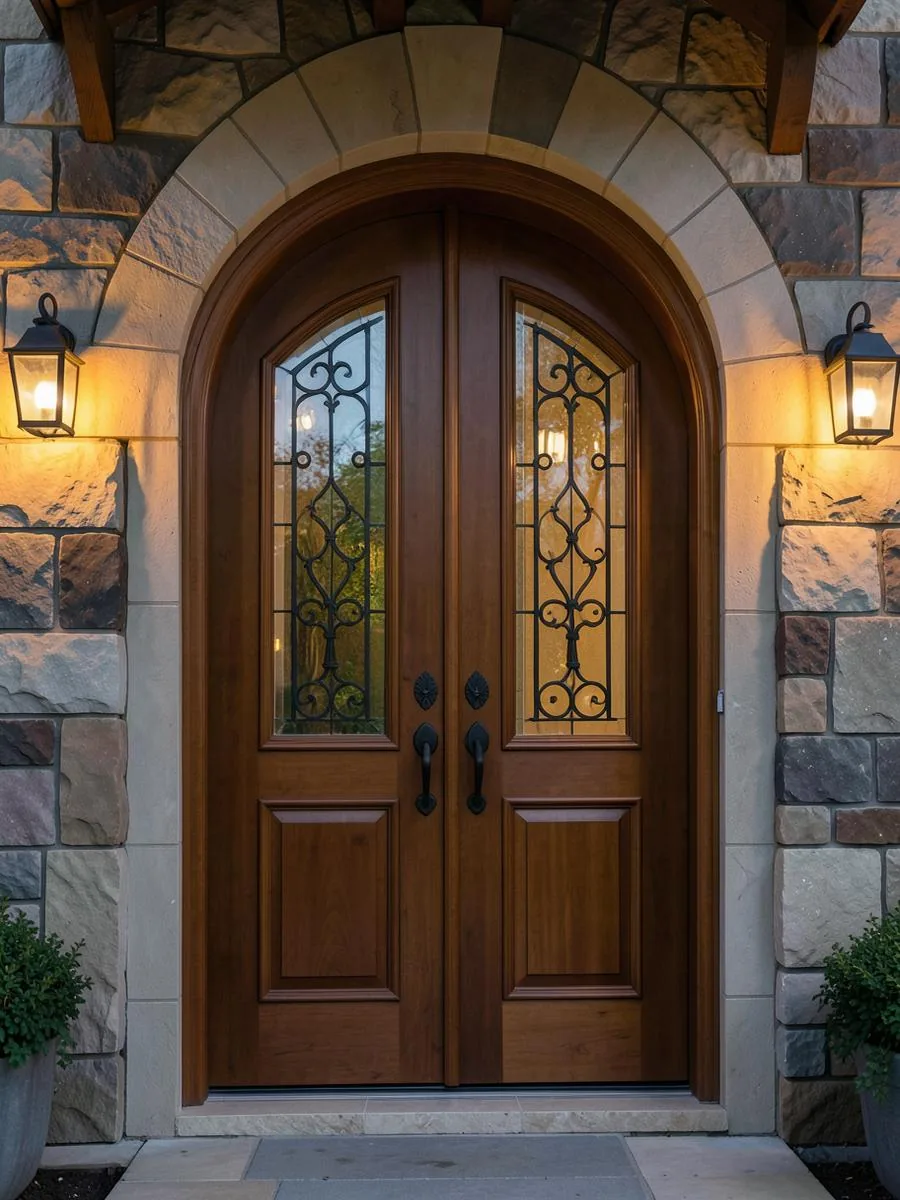
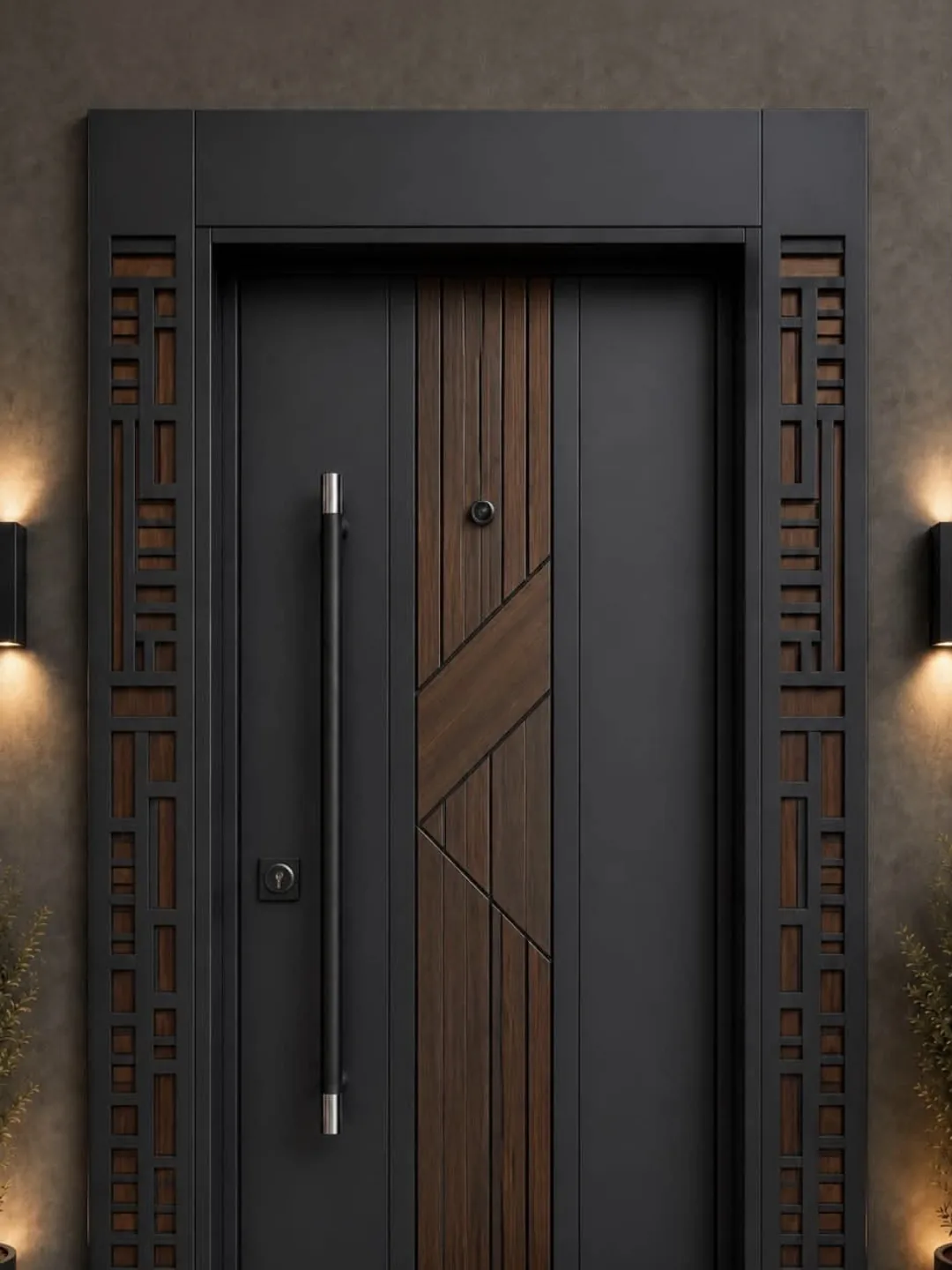
Compare the specified assembly and the responsibilities around it. A stocked door can suit a straightforward opening; a custom process can coordinate dimensions, details and finishing. Neither label replaces careful measuring, a clear scope or competent installation.
Understand what each buying route actually offers
Store-bought can mean a stocked slab, a prehung assembly or a product ordered through a retailer with selected options. Custom can mean an entrance specified around an individual opening while still using established components. Those categories overlap more than advertising sometimes suggests. Ask what is standard, what is being selected and what is being made or prepared for your order before drawing conclusions from the label.
Start with your own priorities. A straightforward replacement with familiar dimensions may not require unusual design flexibility. An entrance with particular proportions, frame details or coordinated glazing may benefit from a more closely specified process. The practical difference is whether the proposed route addresses the opening and the look you want, without leaving measurement or installation responsibilities unclear. An elaborate order is not inherently better if a simpler one meets those needs.
Compare construction through the complete assembly
Look at the slab, frame, glass, threshold, weatherstripping and hardware together. A material name alone does not describe the whole entrance or prove its performance. Two doors with a similar exterior can have different assemblies around them. Ask for product information relevant to the configuration being offered rather than relying on a generic claim attached to a broad material category.
Custom work does not automatically establish better insulation, security or durability, and a retail product should not be dismissed without examining its specifications. Compare information on equivalent terms. If one quotation changes the frame and threshold while the other supplies only a slab, you are evaluating different scopes. Establish those differences before deciding whether an apparent construction advantage belongs to the product itself or simply to the components included in the proposal.
Find out who owns the measurement decision
A stocked size can be appropriate when it matches the intended opening and installation approach. The risk comes from assuming that the old slab’s visible dimensions describe everything needed for the replacement. Frame size, rough opening, jamb depth, swing and handing also matter. Confirm who checks those details and who resolves a mismatch before placing an order based on a quick measurement.
In a custom process, measuring should connect directly to the specification. At Door Depot, Oscar conducts the consultation and measure and confirms the final price in writing. Our shop sheet records frame size, slab size, rough opening and jamb depth, along with sidelite widths and transom height where applicable. That level of description helps make the entrance explicit, but customers should still review the approved arrangement and clarify anything they do not recognise.
Distinguish available finishes from coordinated finishing
A store-bought entrance may offer a factory finish, a surface intended for later finishing or an ordered colour option. These are different purchases with different responsibilities. Confirm what arrives finished and what still needs work before installation or use. Do not assume a displayed colour means the slab, frame and trim will all arrive in that same finish unless the order says so.
A custom route can coordinate those choices within the overall design, but the selected substrate still determines the appropriate treatment. At Door Depot, smooth grain fiberglass is made for paint, while oak, mahogany and fir grain fiberglass take stain. Doors are painted and stained in our own studio. Compare the actual finish scope and care instructions instead of treating the word custom as a promise that any material can accept any coating.
Compare installation responsibility, not just supply
Some retail purchases are supply-only; others may include a separately arranged installation service. Custom businesses also organise installation differently. Ask who will remove the existing entrance, assess the opening, fit the assembly and complete the agreed finishing work. You need that information regardless of where the door is bought. The product price alone may leave significant work outside the comparison.
Make sure concealed damage and scope changes have a clear approval process. An installer cannot necessarily identify everything behind an existing frame in advance, but responsibilities can still be discussed before work starts. At Door Depot, our crew installs the doors and Oscar oversees every install. Compare that arrangement with the specific alternative you are considering, rather than assuming all retailers use one model or all custom makers handle every installation task.
Read the price and warranty on equivalent terms
Compare the written total for the entrance you actually want, including the agreed installation and finishing scope. A stocked product can be a sensible choice when it fits the brief; a customised specification can address needs that a simpler offer does not. Neither conclusion can be drawn from an advertised starting price alone. Keep optional upgrades separate from work that is necessary to complete the entrance.
Ask to read the warranty information for each proposal and distinguish product coverage from workmanship coverage. Door Depot offers a limited lifetime warranty covering the door slab, frame and our original workmanship, subject to the written warranty terms. Online prices are preliminary and before tax, with the final price confirmed in writing after Oscar measures. Use the written documents to compare commitments rather than assuming similar warranty headlines mean identical terms.
Choose the process that leaves the fewest important gaps
List the decisions that still need an owner: measuring, selecting components, confirming fit, finishing, installation and future service. A good buying route makes those responsibilities understandable. If you are comfortable coordinating separate suppliers and trades, a supply-focused route may work for you. If you want those decisions addressed through one defined process, ask how a custom provider connects the stages and who remains your point of contact.
Door Depot builds doors in our own Chesswood Dr shop, finishes them in our own studio and installs them with our crew, with Oscar overseeing the work. That is a process difference to evaluate alongside the actual specification. For a separate retailer-focused comparison, use our custom-versus-big-box front doors page linked below. Keep this decision centred on your opening, the proposed construction and the responsibilities in writing, rather than on assumptions about either purchasing route.
Frequently asked questions
Is a custom door always made entirely from unique parts?
No. A custom entrance can combine established components with dimensions, preparation and finishes chosen for the order. Ask which parts and details are being specified rather than assuming every component is individually invented.
Can a store-bought door be a good choice?
Yes. A suitable product can work well when the opening, finish requirements and installation scope are properly addressed. Evaluate the actual assembly and the responsibilities around it rather than judging only the sales channel.
Does custom automatically mean better performance?
No. Performance depends on the particular assembly and installation. Request relevant product information and compare equivalent configurations instead of treating the word custom as a technical rating.
What is the most important measurement difference?
Responsibility matters as much as the numbers. Confirm who verifies the opening, frame dimensions and operating arrangement, then who addresses any mismatch. A visible slab measurement alone is not a complete entrance specification.
Where can I read the separate retail comparison?
Our custom-versus-big-box front doors page provides the separate comparison. Use it alongside written proposals, keeping your attention on the specified product, finishing scope and installation responsibilities rather than assuming either route is universally preferable.