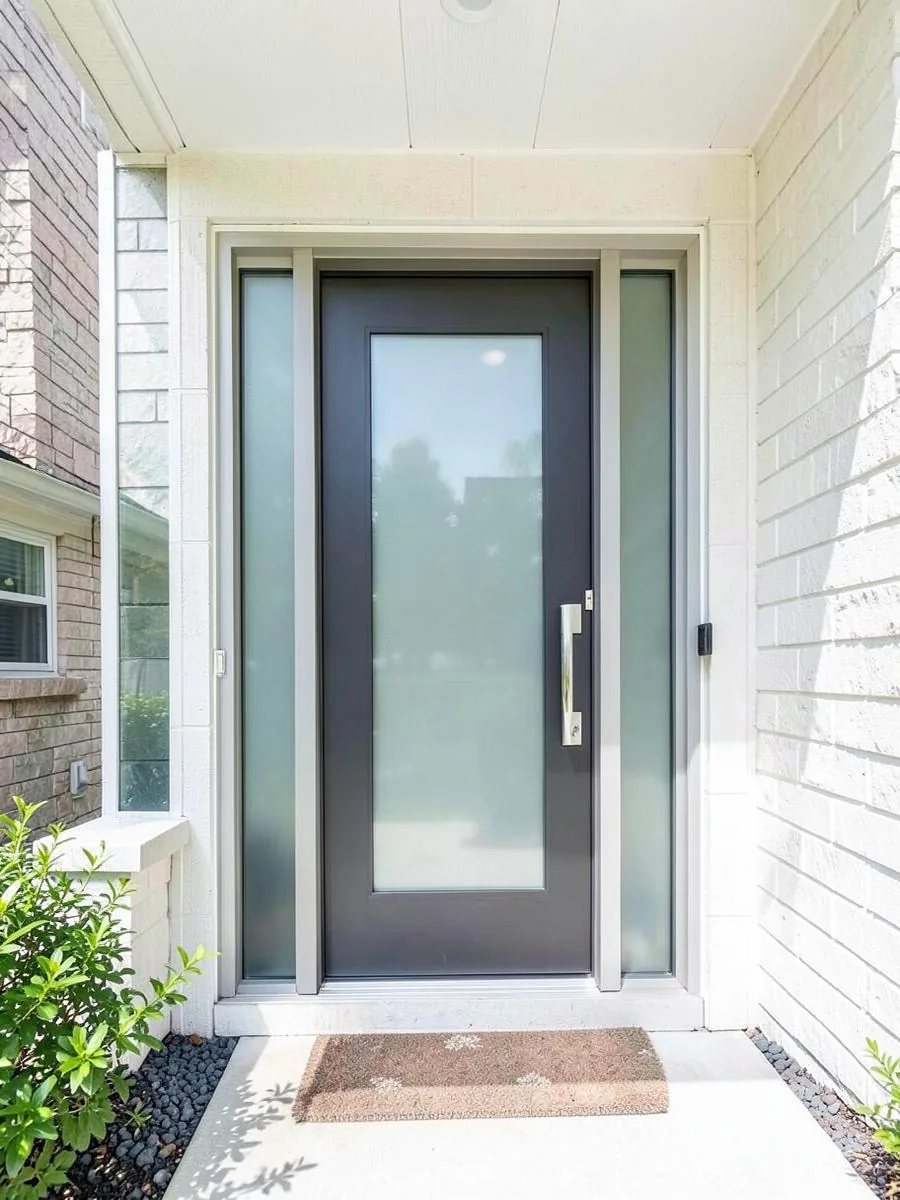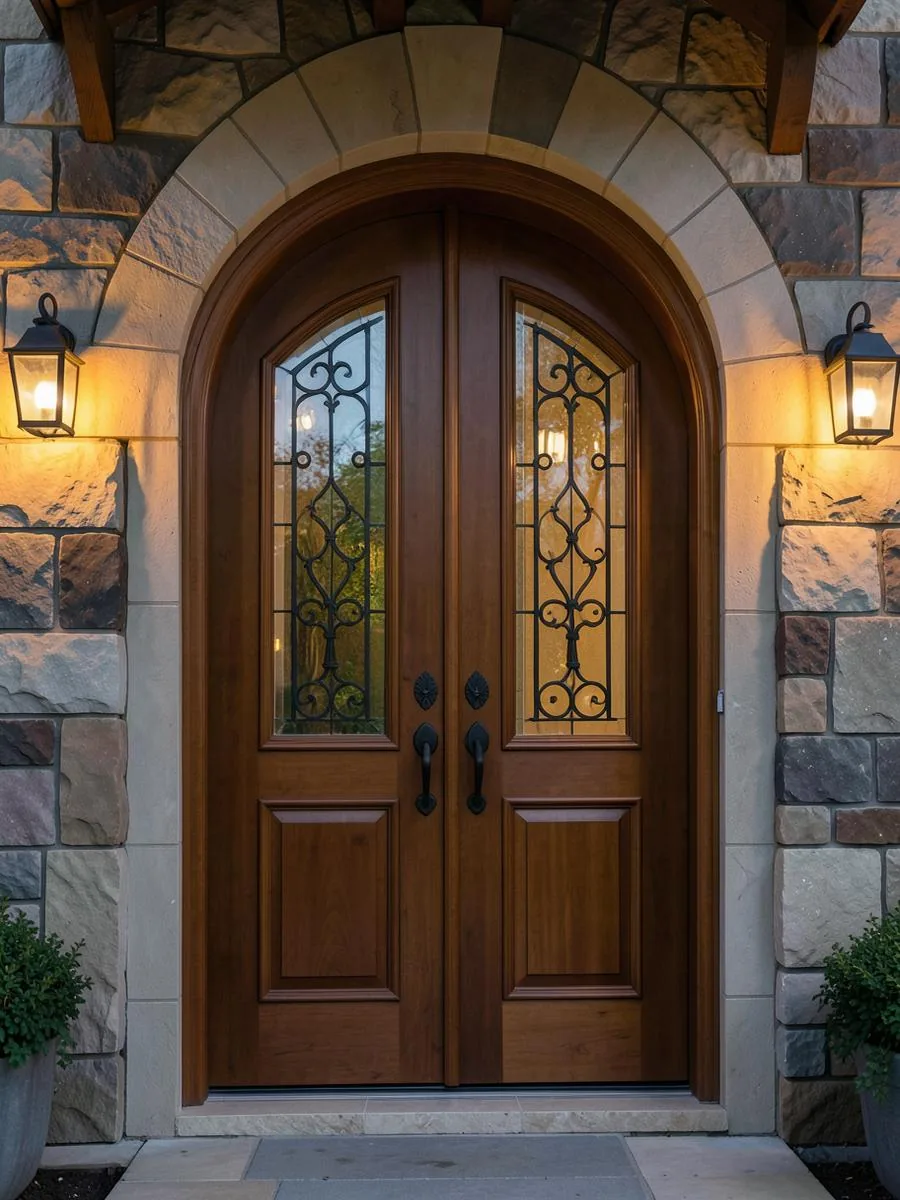

Choose with the doorway’s exposure and your maintenance habits in mind. Fiberglass does not respond to moisture like solid wood, but both need sound finishes, working seals and attention to water around the entrance.
Map the winter exposure at your own doorway
Watch what happens during a thaw, not only during a snowfall. Does meltwater drip from a porch roof onto the sill? Does wind carry wet snow into a corner? Is there a shaded patch that stays icy after the rest of the landing dries? These observations help identify the loads a new entrance will face before material or finish decisions are settled.
Photograph the entrance on a wet day and again when the sun reaches it. A sheltered north-facing door and an exposed south-facing door may require different care even on the same street. Include the condition of the frame, sill and adjacent finishes in your notes. Replacing a slab cannot resolve water directed into the opening from another part of the building.
Understand moisture movement without blaming every tight latch
Wood exchanges moisture with its surroundings and can change dimensions as conditions vary. Construction, species, finish and exposure influence how noticeable that movement becomes. A door that starts rubbing during damp weather deserves inspection, but swelling is not the only possible cause. Hinge wear, frame movement and weatherstripping can also change how a latch meets its strike.
Fiberglass skins do not absorb moisture and swell in the same way as solid wood. That difference does not make the entire entrance impervious to water: frames, joints, hardware and other components still need protection. Avoid forcing a tight door or immediately planing a wood edge. Identify the cause first, because removing material can leave an excessive gap when conditions change.
Treat freeze–thaw as a water-management problem
Freeze–thaw cycles matter where liquid water reaches joints, crevices or moving parts and then freezes. Ice at the threshold can obstruct closure regardless of slab material. Keep the landing clear using methods suitable for its surface, and avoid piling snow against the door. Check that drainage paths intended by the system remain open rather than filling every visible gap with sealant.
Do not chip ice off a finished door with metal tools or pour boiling water over the threshold. Either approach can damage components or create another freezing hazard. If ice repeatedly develops in the same location, document the conditions and seek an assessment. Outdoor water entry, air leakage and indoor humidity can produce different symptoms and call for different corrections.
Separate finish care from the material underneath
A coating protects the surface and contributes to its appearance; it is not a permanent substitute for inspection. On wood, pay particular attention to exposed edges, joints and areas where the finish has become thin, cracked or discoloured. Ask for the specified care process before applying cleaners, sanding an area or adding a new coating over the existing finish.
Stained fiberglass also needs an appropriate finishing system. Door Depot’s oak, mahogany and fir grain fiberglass take stain, while smooth grain fiberglass is made for paint. Those choices describe the finish route, not a maintenance interval. Get instructions for the actual product and exposure. A wood-look surface should not automatically receive the same refinishing treatment as a solid-wood panel.
Account for winter sun as well as cold air
Low winter sun can reach a door that is shaded during summer. Strong sunlight may warm the exterior surface while the air remains cold, and ultraviolet exposure can affect finishes over time. Colour, orientation, shelter and any storm door influence the conditions at the surface. Ask whether the proposed colour and surrounding assembly suit the particular door and its finishing instructions.
Review samples outdoors without assuming that a dark stain will weather exactly like a dark paint. Look for uneven fading around decorative details and glazing during routine inspections. If you are considering a storm door, confirm its suitability and ventilation requirements before installation. An added enclosure can change heat and moisture conditions rather than simply providing uncomplicated extra protection.
Build a seasonal calendar around observation
In autumn, clean according to the care instructions and inspect the finish, sweep and weatherstripping. Check that the door closes without being pulled hard against a misaligned latch. Remove debris from the sill and arrange repairs before prolonged cold makes the entrance harder to work on. Keep a dated photograph so small changes are easier to recognise next season.
During winter, watch for ice, persistent condensation and new rubbing after wet weather. In spring, inspect the bottom edge and lower frame after snowmelt, then assess coating damage before planning touch-ups. In summer, review sun-related fading and schedule any permitted refinishing under suitable conditions. These are inspection checkpoints, not a fixed recoating schedule; follow the actual finish instructions and respond to deterioration when it appears.
Choose the care commitment you will actually keep
If natural timber variation is central to the design, ask how the proposed solid-wood construction and finish should be maintained at your entrance. If you prefer a grain appearance without the same moisture response, compare stain-grade fiberglass samples. Neither choice removes the need to monitor seals, finish condition and the frame. Make the maintenance plan part of the decision rather than an afterthought.
Bring exposure photographs and your seasonal observations to the consultation. Ask whether the existing entrance needs repair, refinishing or replacement; Door Depot also repairs doors, and Oscar says when repair or refinishing makes more sense. For a new order, request care instructions for the chosen slab and finish, and clarify how to report changes before attempting adjustments that could complicate a later assessment.
Frequently asked questions
Will a wood front door always swell in winter?
No. Moisture response depends on construction, finish and exposure. A sticking door needs diagnosis rather than an assumption that winter has swollen the slab; hardware or frame alignment may be involved.
Is fiberglass maintenance-free in a cold climate?
No. Its finish, seals, sill and hardware still need attention. Fiberglass behaves differently from wood, but the full assembly remains exposed to water, sunlight, dirt and repeated operation.
How often should I refinish a stained door?
Use the instructions for the actual finish and inspect its condition. Shelter, sun and moisture make a universal interval unreliable. Address deterioration rather than waiting for an arbitrary calendar date.
Can I sand a rubbing wood edge immediately?
Have the cause checked first. Seasonal movement, hinge issues or frame alignment can produce similar symptoms. Removing material unnecessarily may leave a gap later and expose an edge that needs proper refinishing.
Does a porch roof eliminate winter care?
No. Shelter can reduce direct weather exposure, but wind-driven snow, sunlight and moisture can still reach the assembly. Inspect the doorway itself and correct recurring water or ice problems.