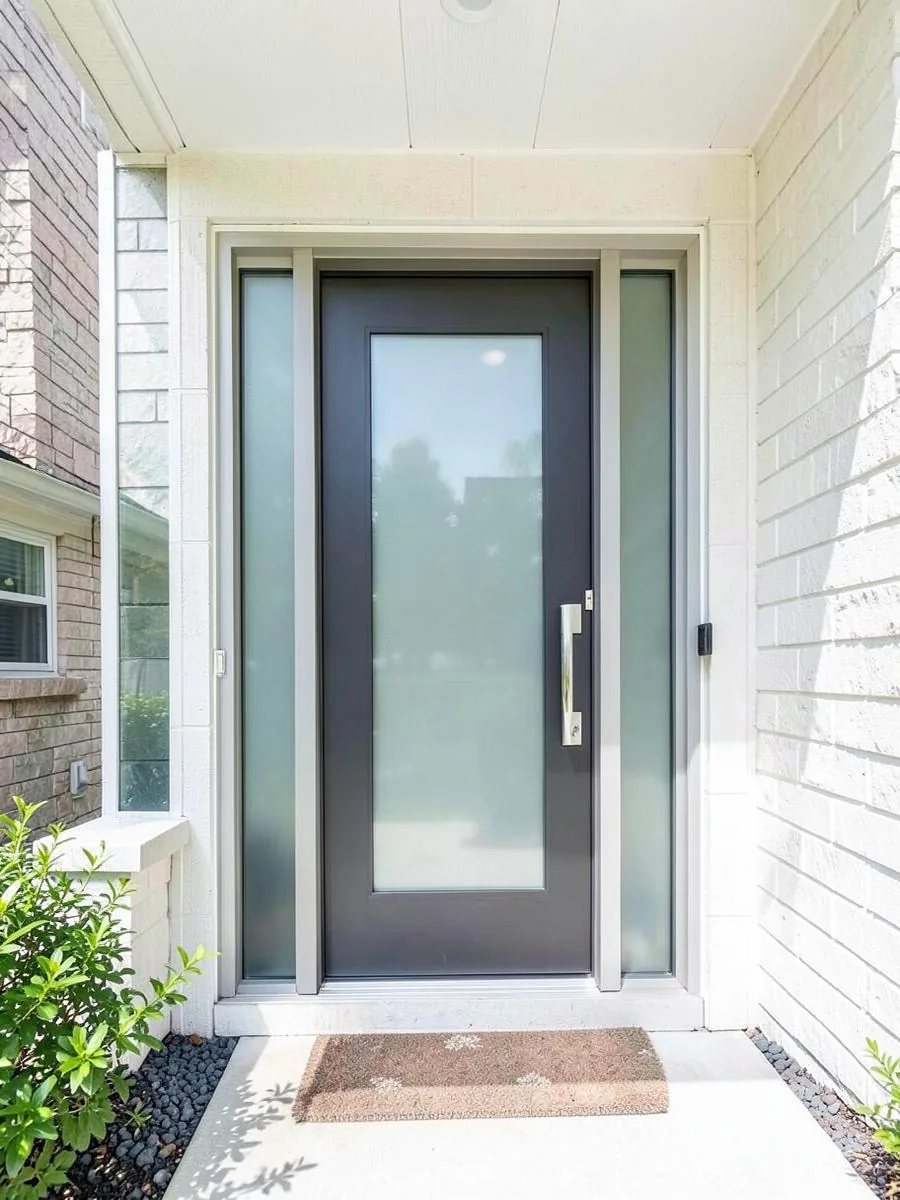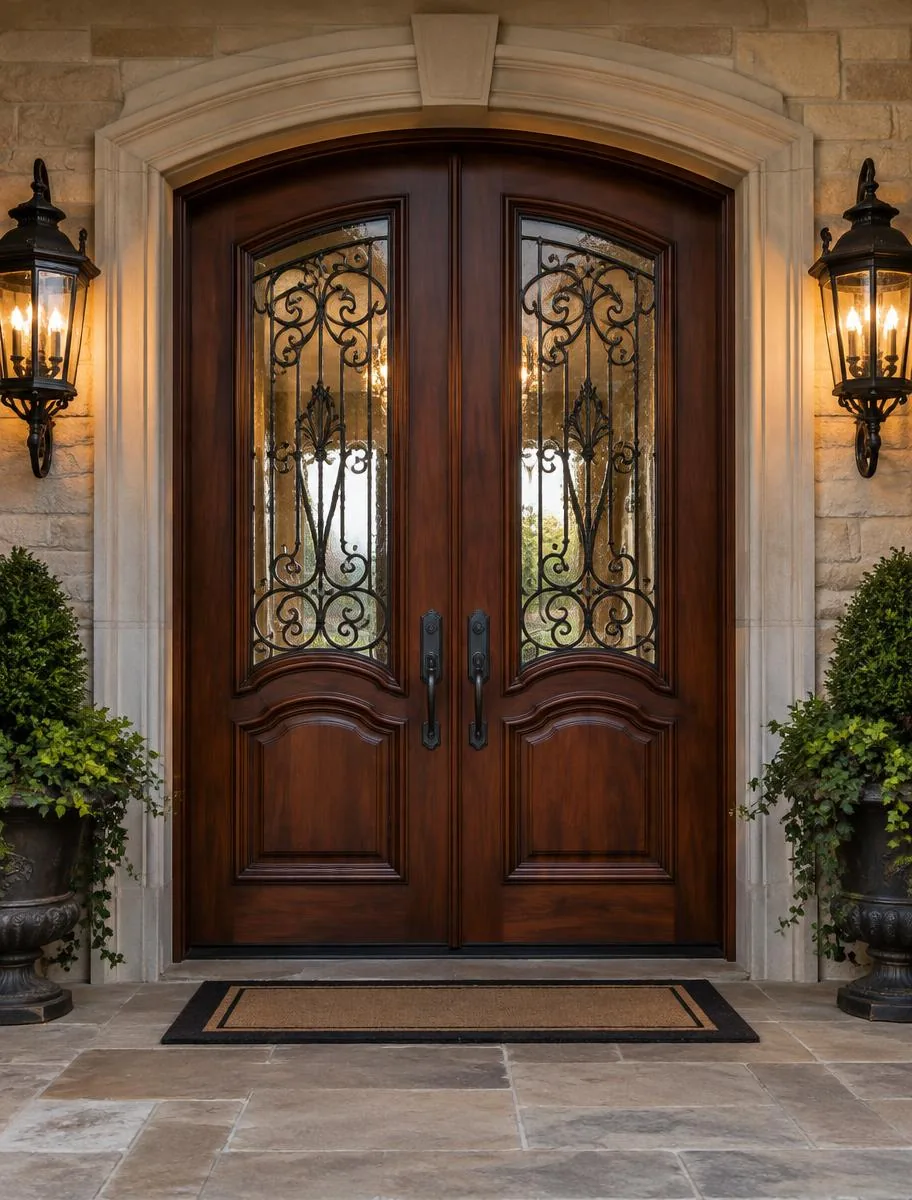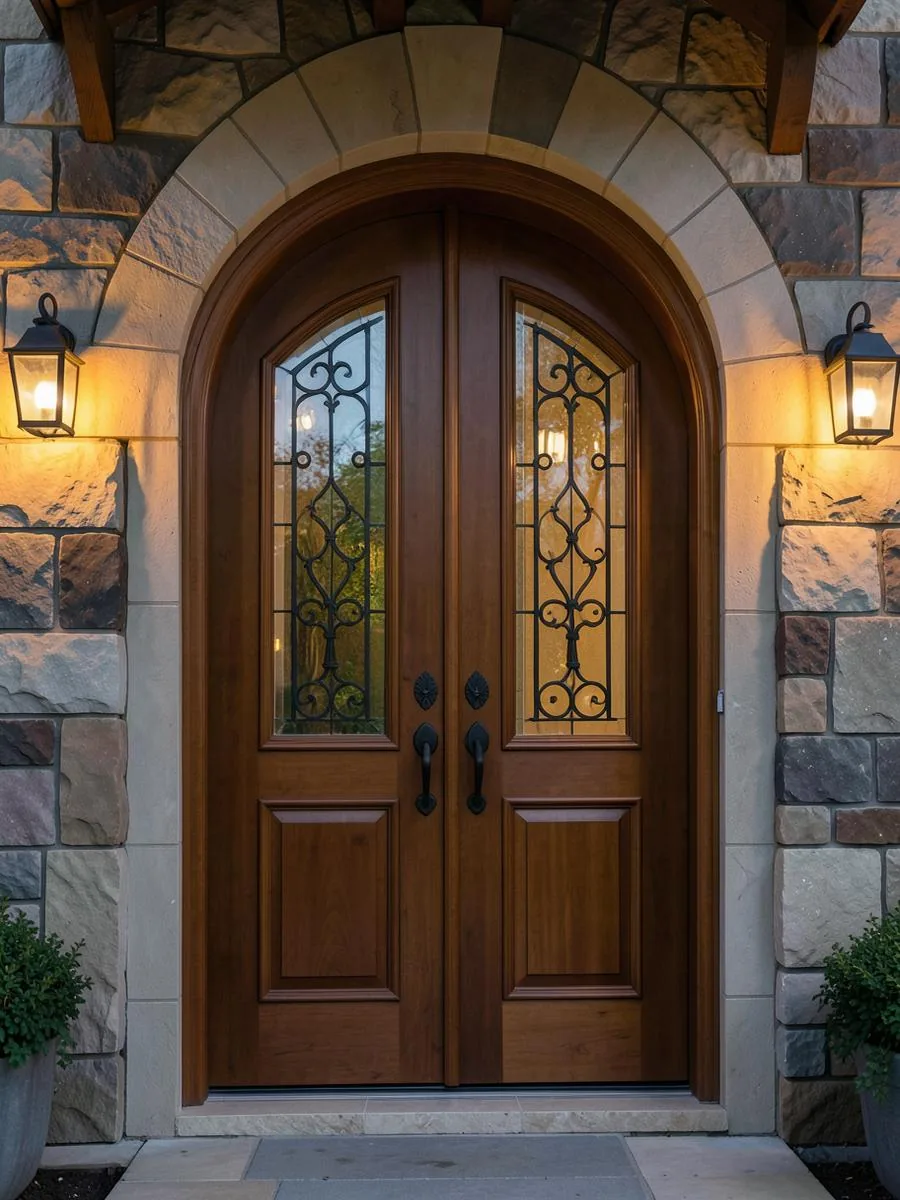
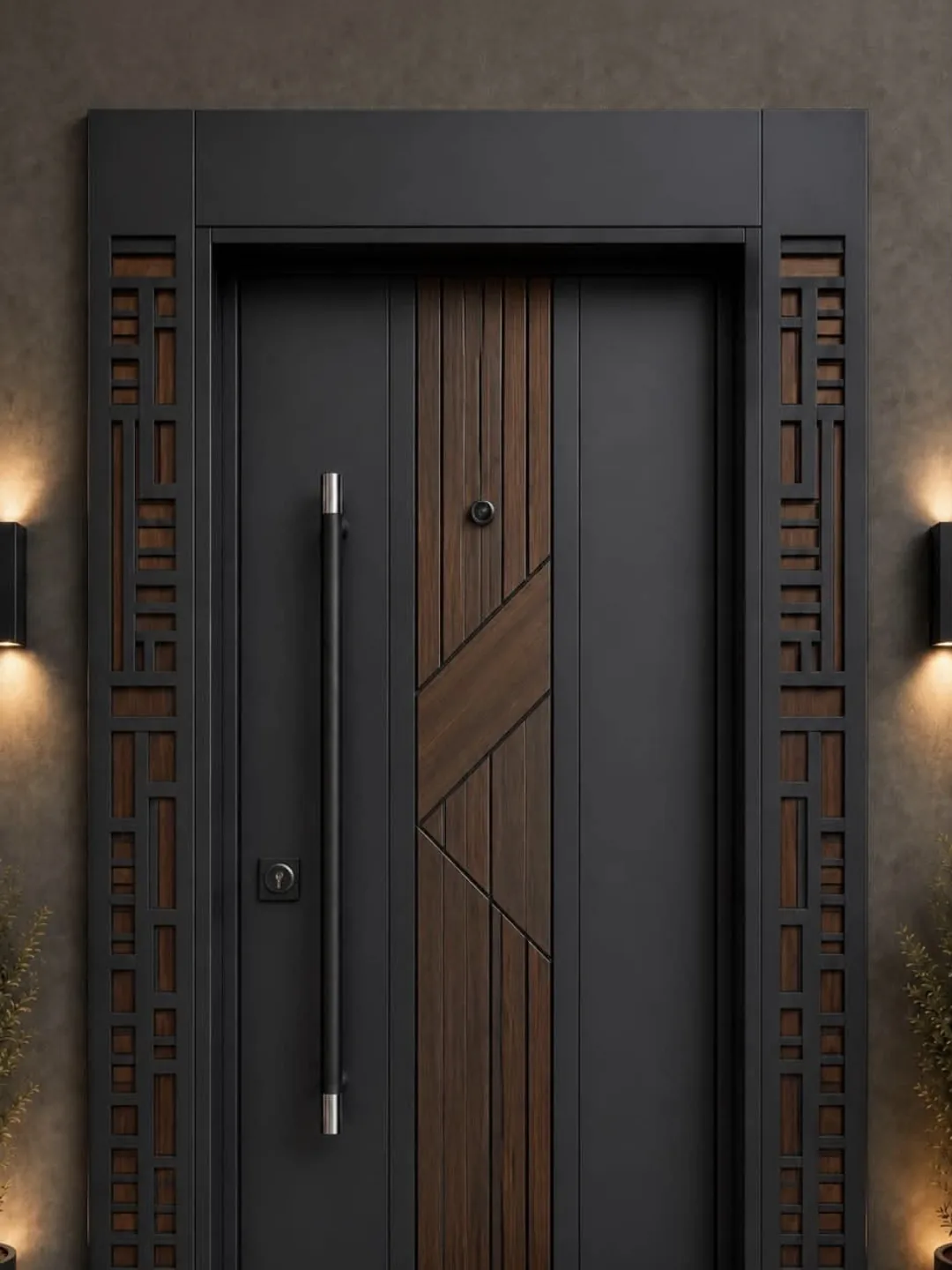
There is no universal winner. Compare the actual slab, frame, glass, hardware and installation scope, then choose a finish you can maintain. Fiberglass offers painted and woodgrain possibilities, steel is worth considering for a painted entrance and budget, and solid wood offers natural variation with exposure-dependent care.
Fiberglass, steel and wood at a glance
| Consideration | Fiberglass | Steel | Solid wood |
|---|---|---|---|
| Winter comfort | Compare the exact insulated assembly, glass and whole-product rating. | An insulated core can help; compare the complete system’s rating. | Depends on construction, glazing and the complete assembly. |
| Finish options | Smooth surfaces for paint; stain-grade woodgrain for stain. | Factory white or custom painted to any colour. | Natural grain with finish options confirmed for the selected wood. |
| Care | Clean and maintain the finish according to supplier guidance. | Inspect coating damage; follow guidance for scratches and dents. | Plan exposure-dependent finish inspection and refinishing. |
| Sun and moisture | Check finish guidance, especially dark colours in direct sun. | Follow coating and exposure guidance; protect damaged surfaces. | Shelter and finish care can be especially important. |
| Budget | Varies with style, glass, dimensions and finish. | Often a budget-friendly starting point; options change cost. | Custom construction and finish can increase cost; obtain a quote. |
| Design character | Painted contemporary or woodgrain-inspired designs. | Painted contemporary or traditional designs, depending on model. | Real grain and natural variation rather than a uniform pattern. |
| Security | Assess frame, locks, glass and installation together. | Steel alone is not a guarantee; assess the whole entrance. | Assess the complete door, frame and locking arrangement. |
Start with your entrance, not a material ranking
Look at the entrance from inside and outside before deciding what it needs. Note a sticking latch, worn seals, water marks, fading finish or cold air around the frame. Those symptoms may point to different problems. A new slab alone will not necessarily correct an unsound opening or a poorly adjusted threshold, whatever material you choose.
Think about shelter, sun, daily use and appearance together. A recessed porch can expose a finish differently from an uncovered south-facing doorway. You may want a painted door that recedes into dark siding, or natural-looking grain that warms a stone façade. Bring photographs and describe your priorities to Oscar rather than choosing solely from a material ranking online.
Compare whole-product winter performance
Insulated fiberglass and steel systems can both be suitable choices for cold weather. Solid wood performance varies with construction and the complete assembly. Avoid treating the thickness of a slab or the presence of a foam core as a substitute for model-specific performance information. Glass, edge details, frame construction and weatherstripping all contribute to the entrance you actually buy.
Natural Resources Canada distinguishes whole-product ratings from centre-of-glass ratings. A lower U-factor means less heat transfer; a higher Energy Rating, or ER, where applicable, indicates better overall energy performance. Request comparable information for the proposed configurations, not a generic rating borrowed from another door. ENERGY STAR certification must be confirmed for the exact model and configuration. This guide does not claim that every Door Depot door is certified.
Fiberglass: painted surfaces or convincing grain
Fiberglass gives you different finish routes without choosing a solid-wood slab. Smooth fiberglass is made for paint — any colour from our paint range or a custom match. Stain-grade woodgrain fiberglass takes stain, so you can discuss oak, mahogany or other available grain designs alongside the surrounding brick, windows and trim. Confirm the actual surface and finish together.
Fiberglass is not maintenance-free or immune to damage. Finish condition, exposure and cleaning methods still matter. Ask what products are appropriate and how future touch-ups or refinishing should be handled. If you like the idea of a wood appearance, compare full-size samples rather than assuming every moulded grain looks the same. Glass placement, panel depth and stain tone can change the effect as much as the grain itself.
Steel: a painted finish and practical specification
Door Depot steel doors are factory white or custom painted to any colour, with a polyurethane foam core. Steel is a useful option to compare when a painted finish and a budget-conscious specification are priorities. It can suit a clean contemporary entrance or a more traditional panelled design, depending on the selected slab and glass arrangement.
A steel surface may dent, and damaged coatings should be assessed promptly because exposed metal can be vulnerable to corrosion. Follow the supplier’s repair instructions rather than assuming any automotive or household coating is suitable. Security is not established by the word steel: frame condition, locking hardware, glazing and installation all matter. Compare those details on the quote instead of accepting an unsupported claim that a material alone makes an entrance secure.
Solid wood: natural character with a care commitment
Solid wood offers real grain and variation rather than a repeated surface pattern. That can be appealing when the entrance is meant to complement timber details or a traditional façade. View finish samples with the understanding that natural boards will not all look identical. A stain sample is a direction for the appearance, not a promise of perfectly uniform grain across every component.
Wood responds to moisture and environmental conditions, and its finish needs attention appropriate to the exposure. Ask whether your doorway’s shelter, sun and weather make the proposed construction and finish sensible. Discuss cleaning, inspection and refinishing before ordering, particularly for an uncovered entrance. Choosing wood is easier when you actively want its natural character and understand its care needs, rather than expecting it to behave like a painted insulated slab.
Compare cost on an equivalent scope
Use the preliminary ranges on the pricing page or estimator to begin planning. Steel is often considered a budget-friendly starting point, but configuration and options can change the comparison considerably. A glazed steel double entrance and a simple fiberglass single door are not equivalent purchases. Solid wood pricing also depends on the design, dimensions and finish rather than material alone.
Ask for quotes that identify the frame, glass, hardware, trim, removal, installation and any opening work. Oscar confirms the final price in writing after the measure, with 13% Ontario HST added. Compare the same opening and similar glass before deciding that one material costs more. Clarify how concealed damage is handled and how additional work is priced and approved in writing; an apparently lower number may cover less work.
Make the final choice with samples and installation details
Glass and sidelites affect daylight, privacy and the whole assembly’s performance in all three materials. Look at privacy samples under different lighting and consider how the hallway will appear after dark. A large glass area is not automatically unsuitable, but it should be specified and compared properly. Wider entrances also need an assessment of the existing opening before a configuration is settled.
Book a one-on-one showroom visit online to compare full-size steel, fiberglass and solid wood doors, hardware, glass and finish samples with Oscar at 4019 Chesswood Dr in North York. For the free in-home consultation, book a real slot and have both homeowners or decision-makers attend the 45-minute meeting. Oscar runs the consultation and measure, and oversees the door through the final walkthrough. Ask about a repair or refinish too: replacement is not always the most sensible answer.
Frequently asked questions
Which material should I choose for a very sunny entrance?
Start with the selected supplier’s exposure and finish guidance, not a blanket material rule. Dark colours and direct sun need particular attention. Show Oscar the orientation and shelter so the proposed finish can be discussed alongside the slab construction.
Does solid wood always insulate better than steel?
No. The conductive surface material does not describe an entire insulated assembly. Compare available whole-product ratings for the exact designs, including frame and glazing, rather than comparing bare materials in isolation.
Can woodgrain fiberglass be stained?
Stain-grade woodgrain fiberglass takes stain. Smooth fiberglass is intended for paint instead. Confirm the selected surface, stain system and care instructions together so the expected appearance is tied to the actual product.
Which option needs the least maintenance?
That depends on the finish, exposure and damage over time. Fiberglass still needs finish care, steel coatings need attention if damaged, and wood may need periodic refinishing. Ask for instructions for your selected system rather than a maintenance-free promise.
Should I replace a door because it feels draughty?
Not without checking the cause. Weatherstripping, alignment, the threshold or gaps around the frame may be involved. Oscar can assess whether repair, refinishing or a replacement is the more appropriate scope.
Does the warranty decide which material is best?
Compare the actual coverage rather than assuming it follows the material name. Door Depot provides a written Limited Warranty, subject to the written warranty terms. Ask what applies to the slab, frame, installation, glass and selected hardware before signing.